
When a business owner tells me they need a new website, the first question I ask is, “Why this, and why now?” I want to know what’s driving the decision and what the goals are.
Before we do any strategy, design anything, write copy, or build anything, we need to know exactly what the target is. Having that target helps us make better decisions through the whole process. Without it, we’re just creating a thing. Not the right thing.
Start With a Goal You Can Measure
The first concrete move has nothing to do with platforms or tactics. Figure out, very clearly, what you want your branding, website, or marketing to do. And “grow my business” does not count. Neither does “because other people are doing it.”
I mean a goal like:
- 5 more leads per month
- $5M in yearly revenue within 5 years
- A full slate of 20 retainer clients
That specificity changes everything. A vague goal gives you no way to tell whether anything is working. A measurable goal becomes the lens for every decision that follows, including what you measure and what you ignore.
This is commonly overlooked, and the confidence numbers point the same way. A 2024 Constant Contact survey of 1,300 small businesses found that 73% were not confident their marketing strategy was working. That lack of confidence usually traces back to a missing goal. Activity without a target feels busy and proves nothing.
Then Understand Who Buys, and Why
Once the goal is clear, the next step is understanding two things in depth. First, your customer. Who is buying your product or service, and why. What makes them tick. What their pain points are. What questions and objections they carry. Where they “live,” meaning where they actually spend their time.
Second, your business. What makes your company, product, or service genuinely different from your competitors. Good marketing connects those two pictures.
Here is what I have noticed in discovery work. Owners generally have real insight about their customers from experience. They just have not thought it through in depth, or turned it into the words, visuals and feel that actually connect with the person they are trying to reach.
That translation matters everywhere the customer experiences your company. Web, social, print, video, every logo, sign, and ad. A strong brand position and identity ties it all together into something trustworthy and memorable, and it has to come before the tactics.
The numbers back this up. In a 2016 study of B2B companies, 71% of those that beat their revenue and lead goals had written customer profiles, against 26% of those that missed. Meanwhile, marketing aimed at everyone wastes a large share of the budget. Skipping this step is expensive.
There Is No Universal First Channel
Clients sometimes want to know where every small business should start. Social media, Google ads, YouTube, the website. I resist that, because the honest answer is more useful than the clean one.
Some companies should focus on social because that is where their clients spend time. Others need ads to reach high-intent purchasers. Others need trusted-advisor content on YouTube to reach high-ticket buyers. For some, a simple website plus a strong social presence is the right move. For others, an exhaustive, content-rich site is the way to go.
In an ideal world you would have all of it. An amazing site, an active social presence, ads, print, video. Few of the small businesses I work with have that budget. So the best thing to do is spend money on what is moving the needle toward your specific goal.
The common failure modes look like this:
- Trying to get customers to understand how cool your product is, instead of listening to what they want and speaking to that desire, fear, or need.
- Showing up in a place where your ideal customer does not spend time.
Meeting your customer where they are, in a way that connects and clearly shows how your offer helps them better than any other option, that’s the whole game.
The Value Is in Knowing Which Lever to Pull
One of my favorite client stories is almost embarrassingly simple. We added a business address to a client’s Google Business Profile. That single field had an immediate benefit, ranking them in the map pack and bringing in leads. For another client, we created a video presentation for screens at their trade show booth, and it made a real impact on their yearly sales. Two completely different moves. Both moved the needle right away.
Sometimes the things that move the needle require knowledge and experience, not hours.
The client could not have known, out of a thousand factors in their business, that one address field would be a difference maker. Running a business at that level is very difficult. Many fail. It is hard for an owner to know all the levers to pull on their own.
An owner can spend months posting on social media and see nothing change. Someone with experience can adjust one thing and the phone starts ringing. The hours are not the problem. The diagnosis is.
Measure What Serves the Goal, Watch Out for Vanity Metrics
Measurement is one of the places I see small business marketing fall apart. Likes and shares can make a difference. They can also be empty when judged against your goal. This is why the goal has to be number one, because it determines what you measure. We build a custom dashboard for every client so we track the things that achieve their goals, instead of collecting numbers that feel good.
Here is a real example of the trap. One client felt they were getting traction with ads, but the analytics told a different story. The ads were getting clicks from people who were already searching the company’s name. Those customers would most likely have found them anyway, because the business ranked first for its own name. The ad dashboard looked great, but the money was wasted.
If your goal is leads, counting them is only the start. Knowing where the leads came from, what drove those interactions, and what kept others from converting is the real work. Without that tracking, decisions get made on gut feeling instead of evidence.
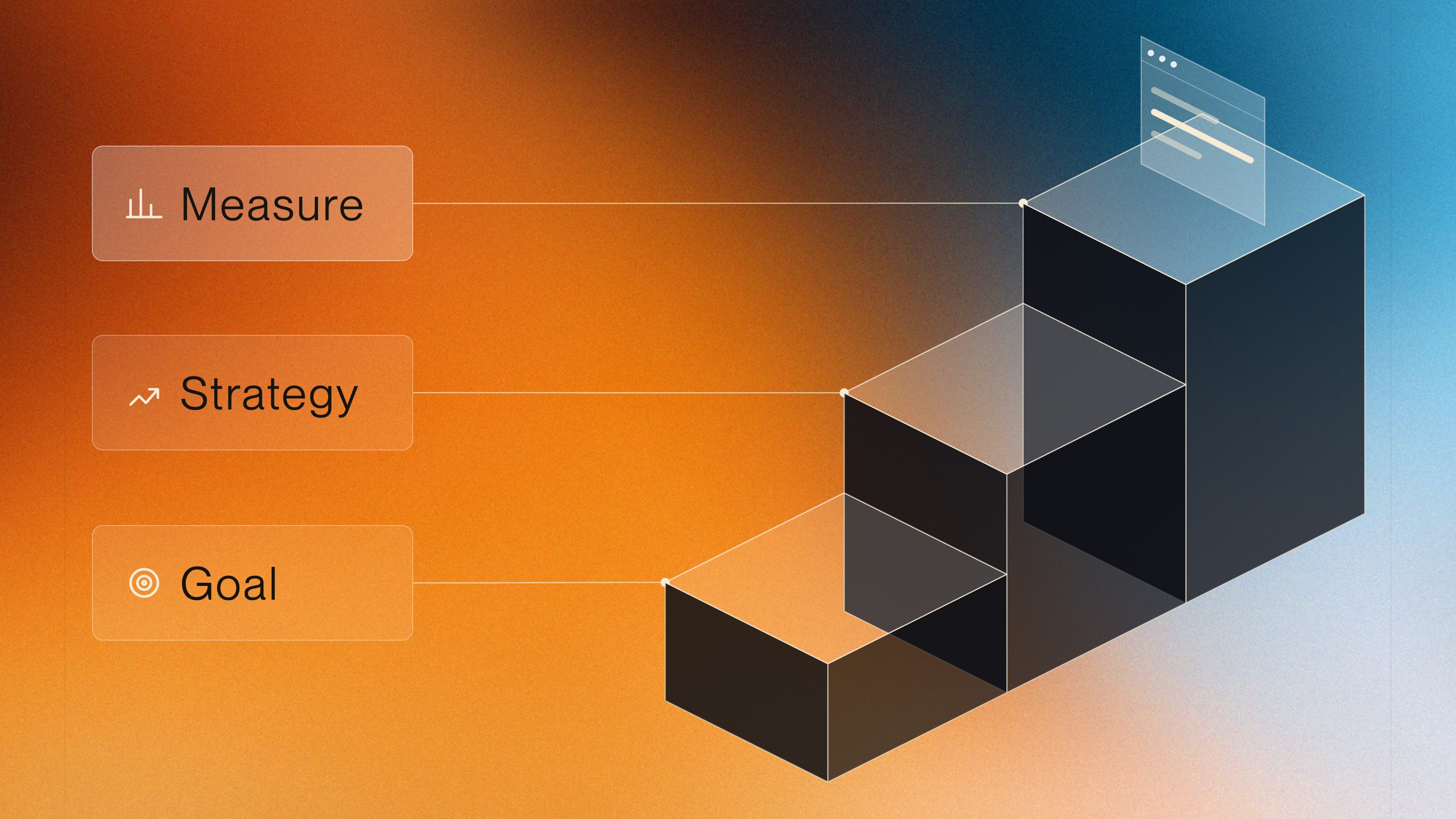
Three Steps, in Order
If you take one thing away from this, let it be this sequence:
- Figure out a clear, measurable goal.
- Understand and speak to your ideal customer in the best ways to reach that goal.
- Measure what actually worked.
Everything else is tactics, and tactics either serve those three things or they waste money.
People sometimes ask me what separates the businesses that make progress from the ones that stay stuck. I have learned to distrust tidy answers to that question too. For some it is persistence. For some it is changing the product to meet what their customers actually need. For some it is hiring the right help at the right moment. The common thread is responsiveness, a willingness to look at what the evidence says and adjust.
So before you buy the website, the ads, or the social package, sit down and write one measurable goal. Then get serious about understanding the person you want to reach. That’s where digital marketing for a small business actually starts.